Learning About Fukushima’s Revitalization Through a Study Tour

Information
お知らせ
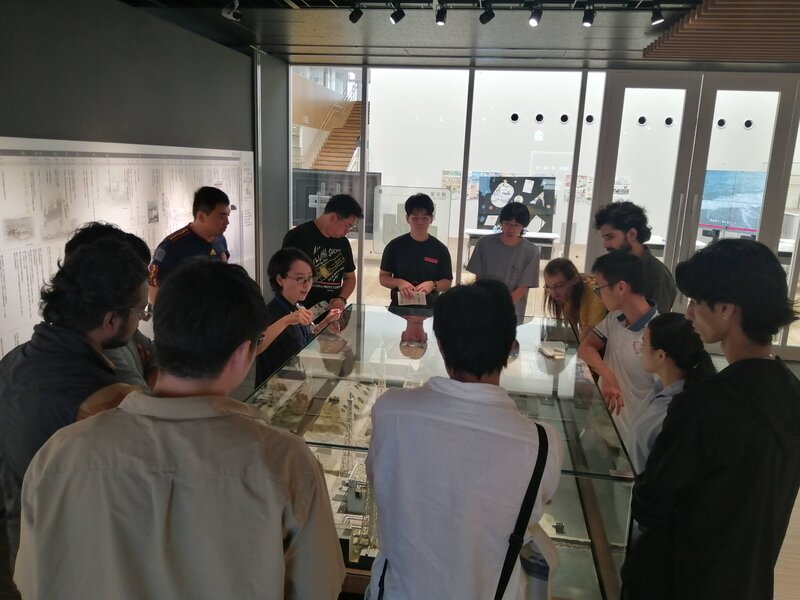
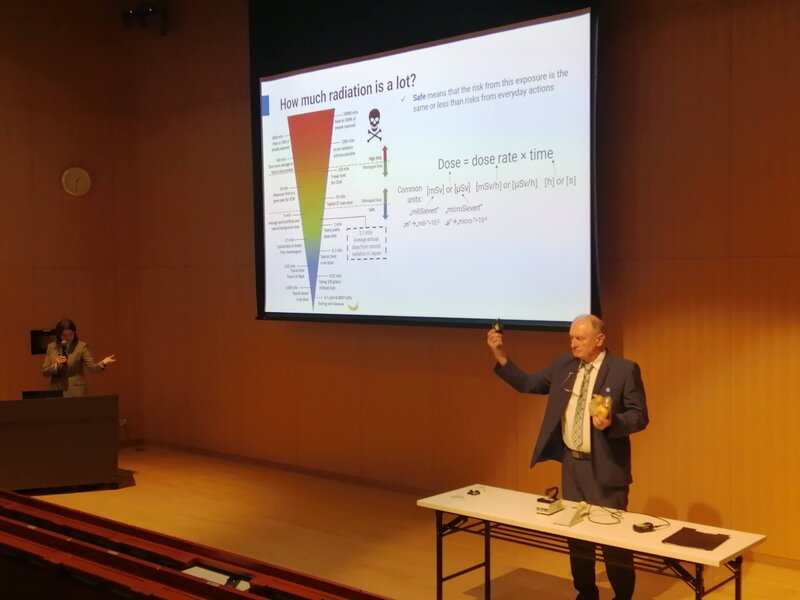
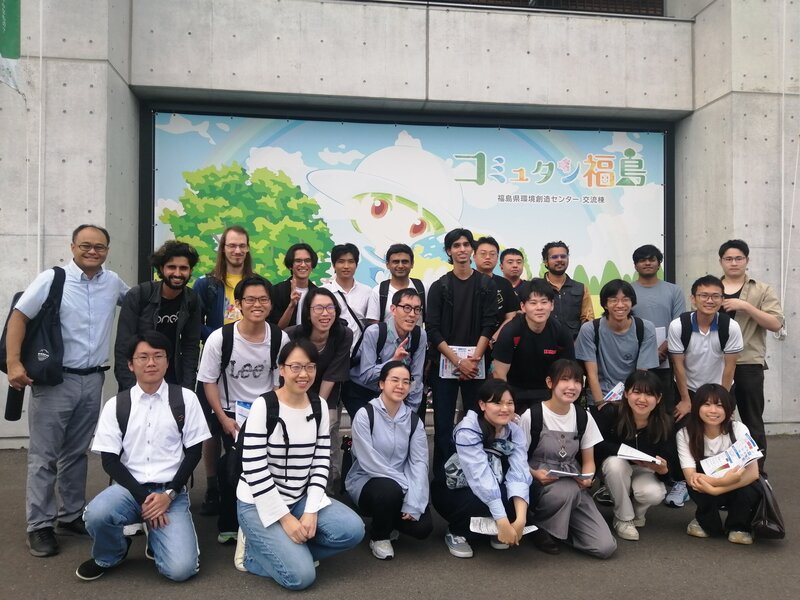
On Saturday, July 11, 2026, as part of the Basic Study Tour under the "Fukushima Future Creation Program," which has been implementing since Academic Year 2021, 22 22 students from our university (8 Japanese students and 14 international students) participated in a study tour titled "Come and Get to Know Fukushima at Commutan Fukushima." The tour provided an on-site visit to Commutan Fukushima, as well as an opportunity to attend a lecture for university students in Fukushima Prefecture conducted under the Memorandum of Understanding between Fukushima Prefecture and the International Atomic Energy Agency (IAEA), following the Tokyo Electric Power Company Fukushima Daiichi Nuclear Power Plant accident.
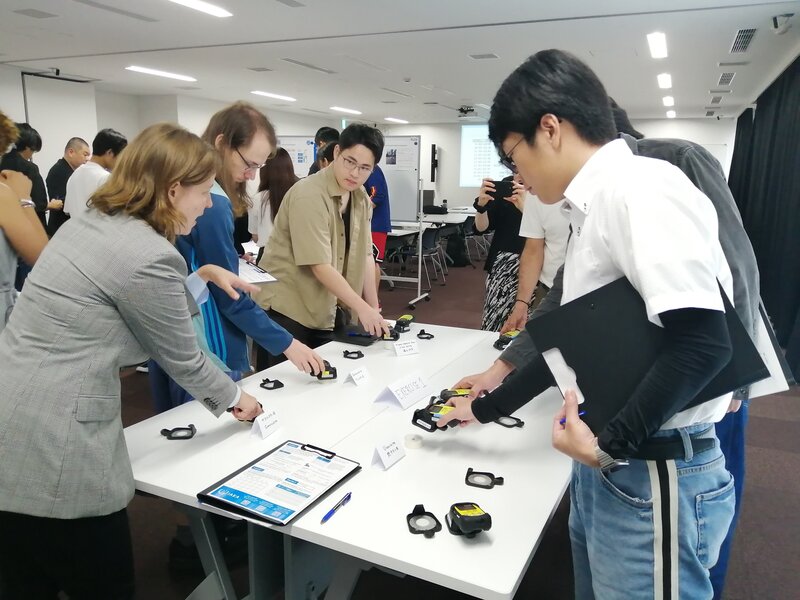
During the tour, the students first learned about the basics of the nuclear power plant accident caused by the Great East Japan Earthquake at Commutan Fukushima. Then, Mr. Miroslav Pinak, Section Head at the IAEA, explained the cooperation between Fukushima Prefecture and the IAEA on revitalization efforts after the accident. The students also used radiation detectors to measure the radioactivity of minerals firsthand and deepened their understanding of radiation communication methods through a quiz format.
The participants shared the following impressions:
- "At first, I thought radiation levels in Fukushima might be higher compared to other countries, but through this tour, I learned that the levels have dropped to safe levels and are relatively low on a global scale."
- "The word 'radiation' used to sound very dangerous, but now I understand that radiation exists all around us."
- "I realized that experts from around the world are working hard to address the nuclear power issues in Fukushima."
- "I gained a deep understanding of the ongoing revitalization efforts and processes in Fukushima Prefecture."
This study tour provided the students with a valuable opportunity to deepen their understanding of Fukushima, the place where they study.